
Share your goals
Describe when and how the motorcycle feels different from what you want—for example, initial throttle response or drive at low speed.
RIDE. CHECK. REFINE.
Beyond peak power. Work towards engine response that fits the way you ride—using vehicle condition, data and riding feedback to consider throttle opening, drive and deceleration.
Start by checking the model and specification. Detailed technical consultation is separate and may carry a charge.
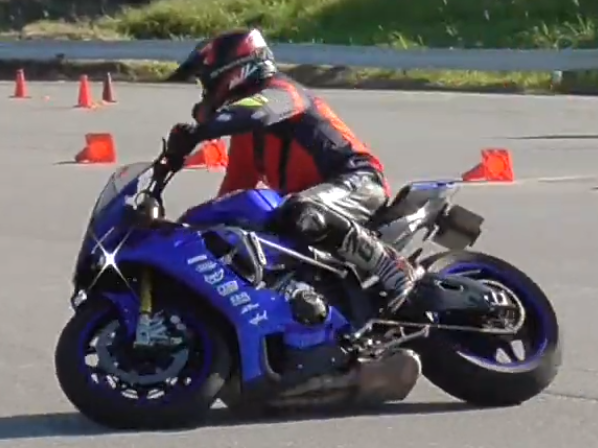
01 / YOUR RIDING
The cause may lie outside the ECU. Vehicle condition is checked before considering what flashing can address.
02 / OUR APPROACH
Changing ECU data is one step. What matters is how that change connects with the rider’s inputs.
Describe when and how the motorcycle feels different from what you want—for example, initial throttle response or drive at low speed.
Fuel, ignition, engine braking and other controls vary by motorcycle and ECU. Adjustments are considered against the actual specification.
Where needed, measurements and logging support riding checks and rider feedback as the response is refined.
It is the engine’s response when your inputs change, such as opening or closing the throttle, rather than only at a steady engine speed. The feeling from input to drive matters alongside maximum power. Measurement and riding-check methods are agreed for the motorcycle and the work.
03 / SETTING STORIES
Each motorcycle and purpose is different. These examples follow the public work records used on the latest Japanese ECU page.
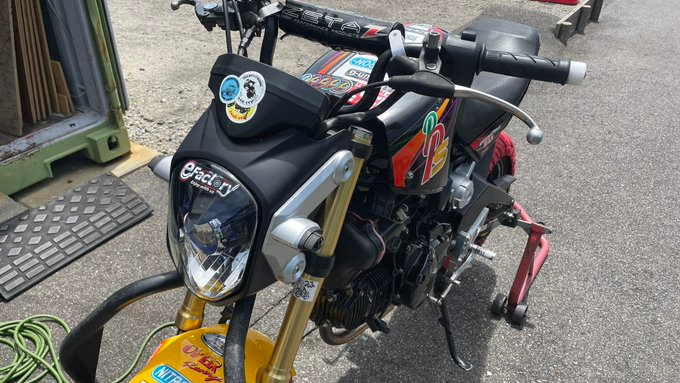
MOTOGYMKHANA / TRANSIENT RESPONSE
ECU tuning focused on transient response
This re-tuning project focused on the engine’s response to throttle inputs, a key factor in motogymkhana. Alongside making power from the 125cc engine, torque was also increased at partial throttle—an improvement that peak horsepower figures do not capture—resulting in smooth, consistent and manageable delivery throughout the operating range.
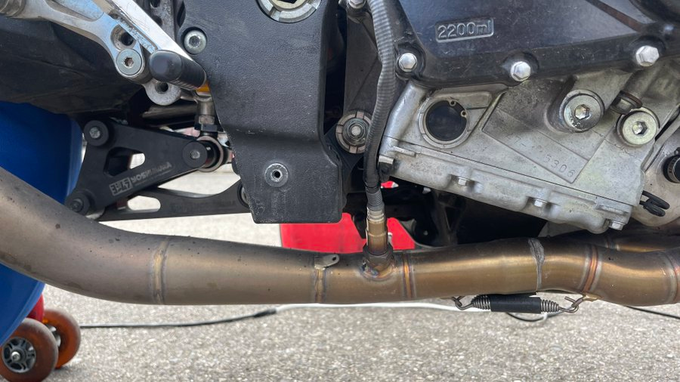
RIDING / DATA LOGGING
Refining engine behaviour using riding data
Data was logged during riding to adjust low-speed tractability and engine-braking characteristics.
This project considered riding technique as well as the setup, while checking the rider’s inputs and the motorcycle’s response.
We make fine adjustments on site, discussing the changes together with the rider.
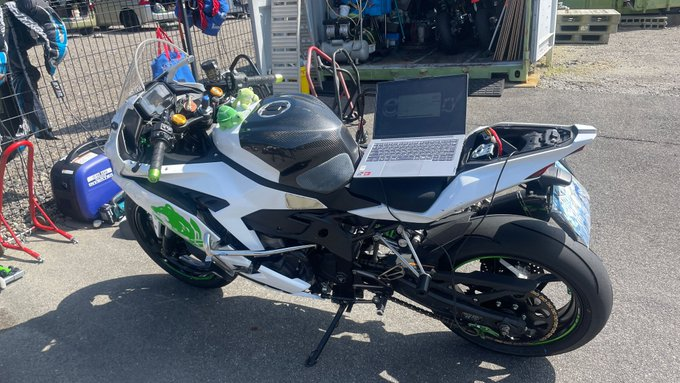
MOTOGYMKHANA / RIDING CHECKS
Refining initial throttle response and deceleration
This setup focused on smooth initial throttle response and the feeling of power as the throttle opens. The motorcycle’s electronic throttle allows idle control through the ECU, and the tuning made the engine hold its revs longer when the throttle is closed than it did previously. Engine braking was also adjusted, making low-speed turns easier.
These are records for individual motorcycles and conditions. They do not guarantee a performance improvement or the same result for another vehicle.
04 / HOW IT WORKS
Tell us your motorcycle model, symptoms and the response you would like, using the official ECU LINE account.
Review the year, ECU, modified parts and vehicle condition.
Agree on the scope, cost, schedule and verification methods before proceeding.
Carry out the agreed flashing and the necessary checks.
Share what was confirmed and any points that need further adjustment.
Confirm pricing, lead time, further adjustments and on-site arrangements before work begins. These depend on the motorcycle and project.
05 / QUESTIONS
Compatibility and adjustable parameters depend on the model, year, ECU and vehicle specification. The examples do not establish support for every model or year. Send your model, year and modified parts first.
Yes, you can enquire about your current specification. Include the exhaust manufacturer and product, plus intake or engine changes. Flashing compatibility and measurement methods are checked individually.
A GROM re-setting example is publicly documented. Confirm availability for your own motorcycle, costs, number of adjustments and the applicable time window before work begins.
The official X account has announced ECU sales for a specific GROM JC61 setup. Selling an ECU and flashing your own ECU by post are separate services. Contact eFactory to confirm postal flashing availability before sending anything.
Confirm how the original ECU will be handled, the price, and implications for Japanese vehicle inspection, manufacturer warranty and fault risks. ECU Flashing does not guarantee performance, safety or legal compliance.
06 / LET’S TALK
Enquiry reception and detailed diagnosis or setup consultation are separate. Detailed technical advice may carry a fee; confirm the scope and fees in advance. English-language arrangements also need to be confirmed.